PROJECTS
This is where it all began: my migration from Windows to MX Linux. I started small—three simple changes that unlocked a different way of using a computer. Those early steps turned a restrictive, click-for-everything setup into a flexible home lab I could control and iterate on.
What I did
Switched the operating system: moved from Windows to MX Linux to gain stability, performance, and customization.
Automated routine tasks: introduced simple shell scripts and cron jobs to handle backups, updates, and maintenance without GUI dependence.
Containerized services: began running key apps in lightweight containers for isolation, portability, and easy rollbacks.
Why it matters
No more vendor lock-in: I choose tools and services, not the other way around.
Better learning curve: every configuration turns into a repeatable experiment and a new skill.
Resilient and reproducible: services run the same way on my laptop, a spare desktop, or a virtual machine.

MX Linux MIGRATION

PROJECTS
Python Scapy ICMP Network Discovery
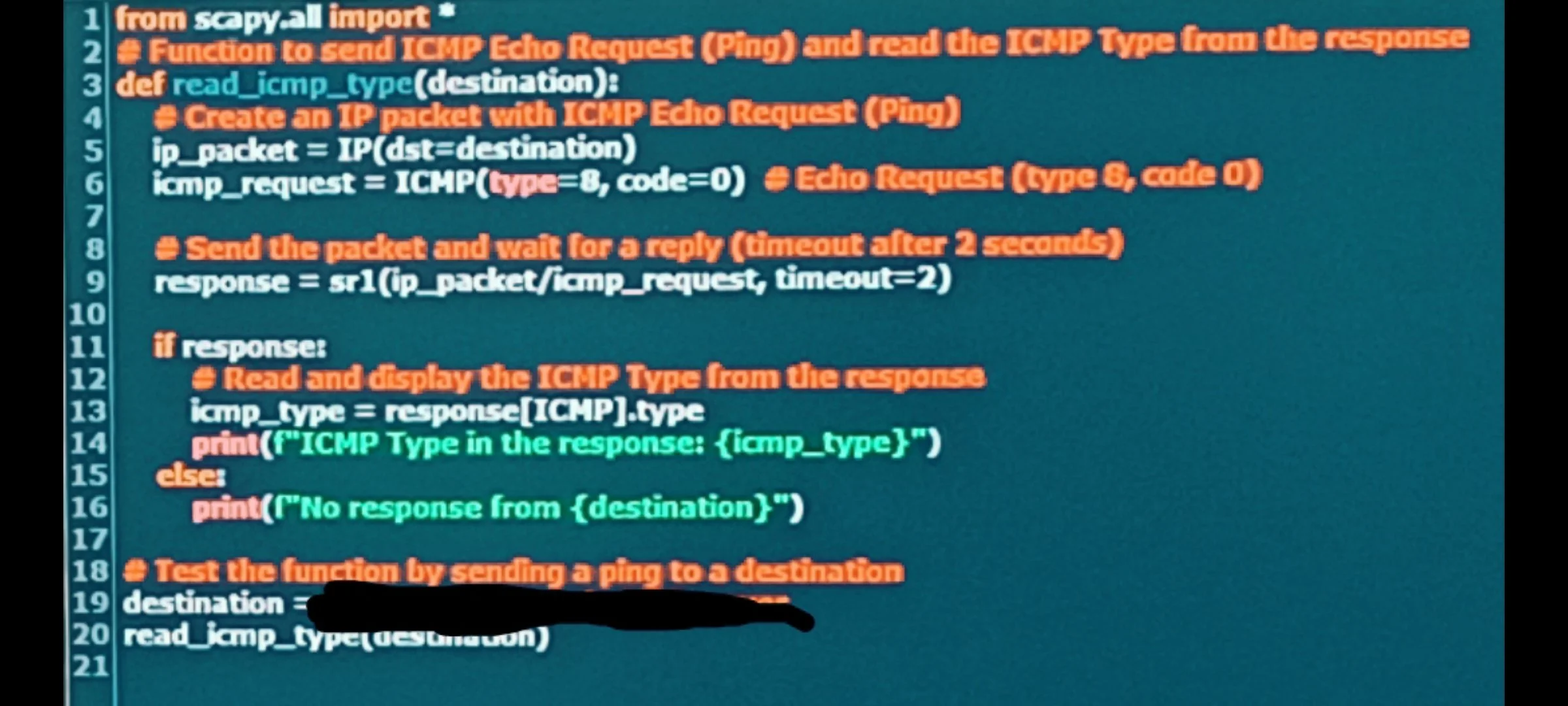
A Python Scapy ICMP network discovery is a technique that uses the Scapy library to send ICMP echo requests (pings) and analyze the replies to map which hosts are reachable on a network. It allows custom packet crafting, timing control, and parsing of ICMP responses to identify live hosts, measure latency, and detect simple network behaviors. This method is commonly used for network reconnaissance and troubleshooting but requires appropriate authorization to avoid violating network policies.
What I did
Developed a Python tool using Scapy to perform controlled ICMP echo requests and analyze responses for live-host discovery across IPv4 subnets.
Implemented parallel scanning with rate limiting and timeout handling to optimize performance while minimizing network disruption and false positives.
Processed and normalized response data (ICMP types/codes, round-trip times, TTL values) into structured logs and CSV output for further analysis and reporting.
Why it matters
Provides accurate, lightweight host discovery that complements port-based scanning and reduces unnecessary traffic compared with aggressive probe techniques.
Enables informed network inventory and reconnaissance for vulnerability assessment, asset management, and penetration testing preparation.
Produces reproducible, auditable results suitable for inclusion in lab reports, security assessments, and automated workflows while supporting safe operational practices (rate limits, scope controls).
Python Scapy ICMP Network Discovery
PROJECTS
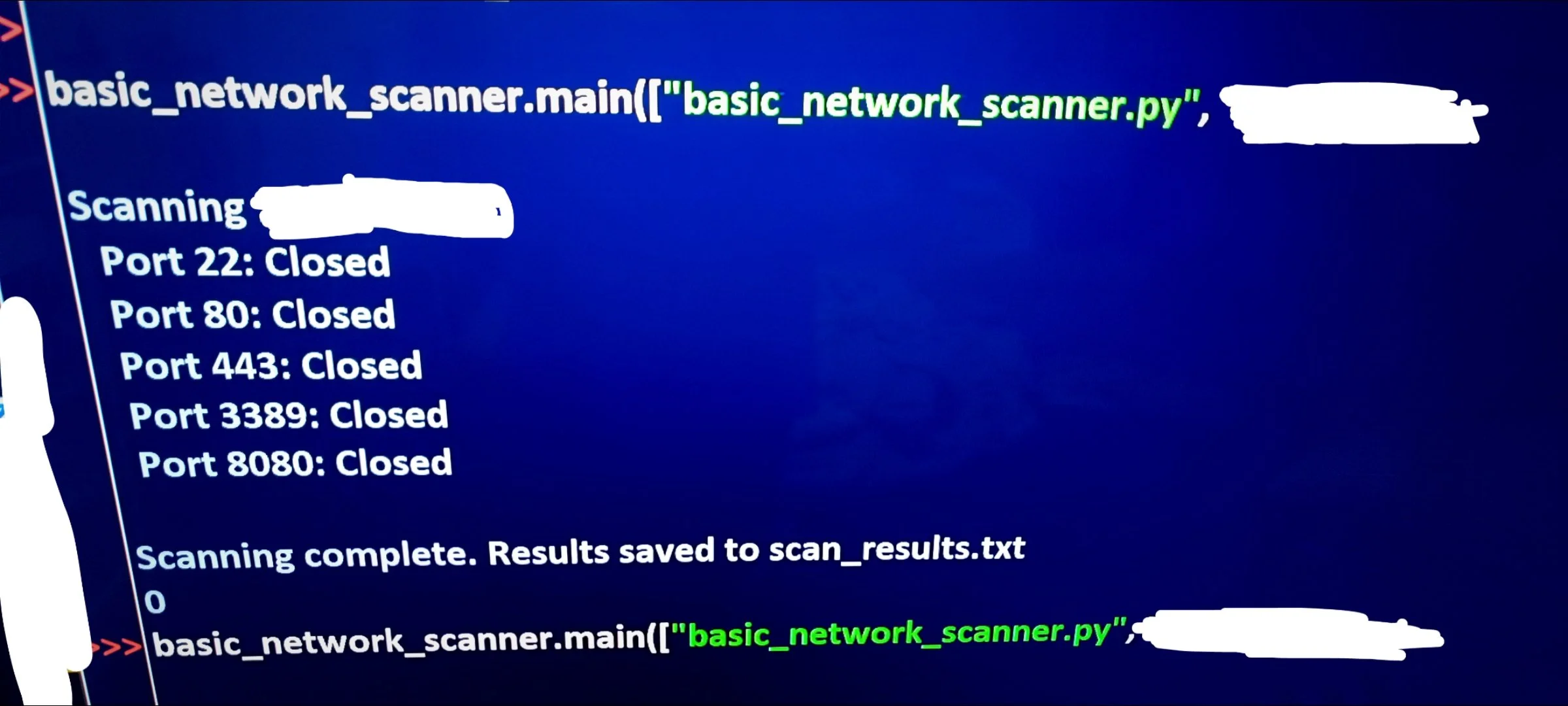
Port Scanner — A network reconnaissance tool that probes a target host or range to identify open, closed, and filtered TCP/UDP ports, and infers running services and potential vulnerabilities. I used a port scanner in a controlled home lab to map service exposure, verify firewall rules, and validate service configurations.
What I did:
Scanned target hosts using both TCP SYN and UDP scan techniques to enumerate open and filtered ports.
Correlated discovered ports with service banners and version information to identify outdated or misconfigured services.
Documented scan results, configured firewall rules to restrict unnecessary exposure, and reran scans to validate remediation.
Why it matters:
Identifies attack surface by revealing exposed services that could be exploited by adversaries.
Validates network segmentation and firewall/ACL effectiveness to reduce unintended access.
Provides baseline data for patch management and secure configuration efforts, enabling targeted remediation.
Port Scanner
PROJECTS
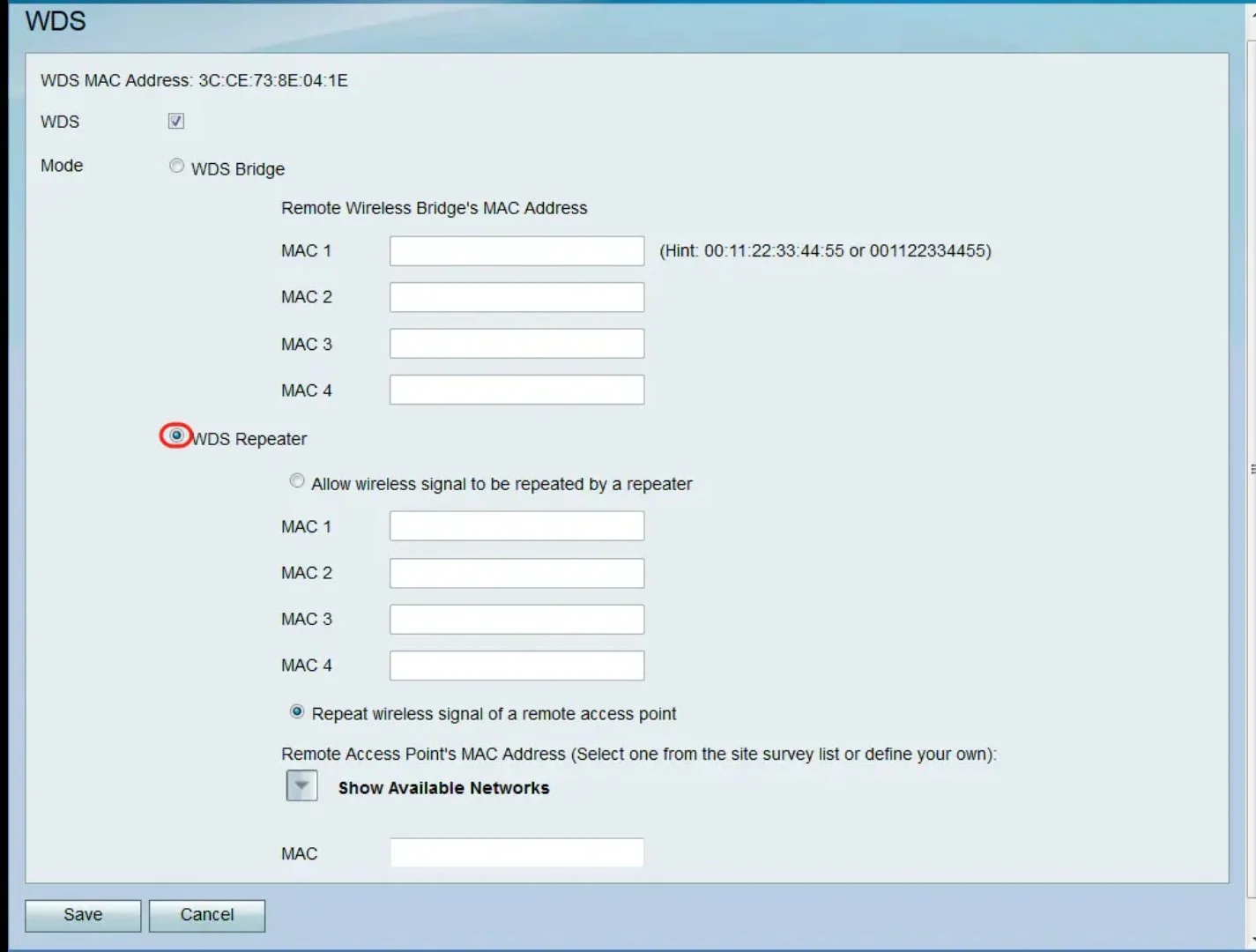
I repurposed an old Cisco router as a wireless repeater, extending an existing Wi-Fi network and giving otherwise outdated networking hardware a useful second life.
What I did:
Installed updated firmware and enabled repeater/bridge mode to connect the router to the primary SSID as a wireless client and retransmit the signal.
Tuned radio settings (channel selection, transmit power, and band steering) to minimize interference and maximize coverage across the home.
Hardened the device with secure administration (strong credentials, SSH access, and admin interface restrictions) and implemented WPA2/WPA3 security for client connections.
Why it matters:
Wireless repeaters can extend Wi-Fi coverage into areas where the main router’s signal is weak or unreliable.
Repurposing an existing router can improve network coverage without purchasing additional networking equipment.
It gives older hardware a useful second life, reducing electronic waste while solving a practical networking problem.
Cisco Repeater
PROJECTS
OpenWrt Firewall & Network Hardening
I deployed OpenWrt, an open-source router operating system, to gain greater control over firewall rules, network traffic, and device security. I configured the router to reduce unnecessary exposure, control outbound connections, and improve visibility over network activity.
What I did:
Configured OpenWrt firewall rules and zones to control inbound, outbound, and inter-network traffic.
Implemented DNS/domain-level filtering to block advertising, tracking, and potentially unwanted domains across the network.
Hardened router administration by restricting unnecessary services and applying secure access and configuration practices.rdened the device with secure administration (strong credentials, SSH access, and admin interface restrictions) and implemented WPA2/WPA3 security for client connections.
Why it matters:
A firewall acts as a barrier between trusted devices and potentially dangerous network traffic, helping prevent unwanted connections from reaching them.
Network-wide filtering can block advertising, tracking, and potentially harmful domains before they reach individual devices..
Replacing limited manufacturer firmware with open-source software provides greater control over security, privacy, updates, and how the network operates.
What I did: • Configured OpenWrt firewall rules and security zones to control how traffic could enter, leave, and move through the network. • Implemented DNS/domain-level filtering to block advertising, tracking services, and unwanted domains across connected devices. • Hardened the router by restricting unnecessary services, securing administrative access, and configuring WPA2/WPA3 wireless security.
Why it matters: • • •
Open Source Firewall patches


PROJECTS
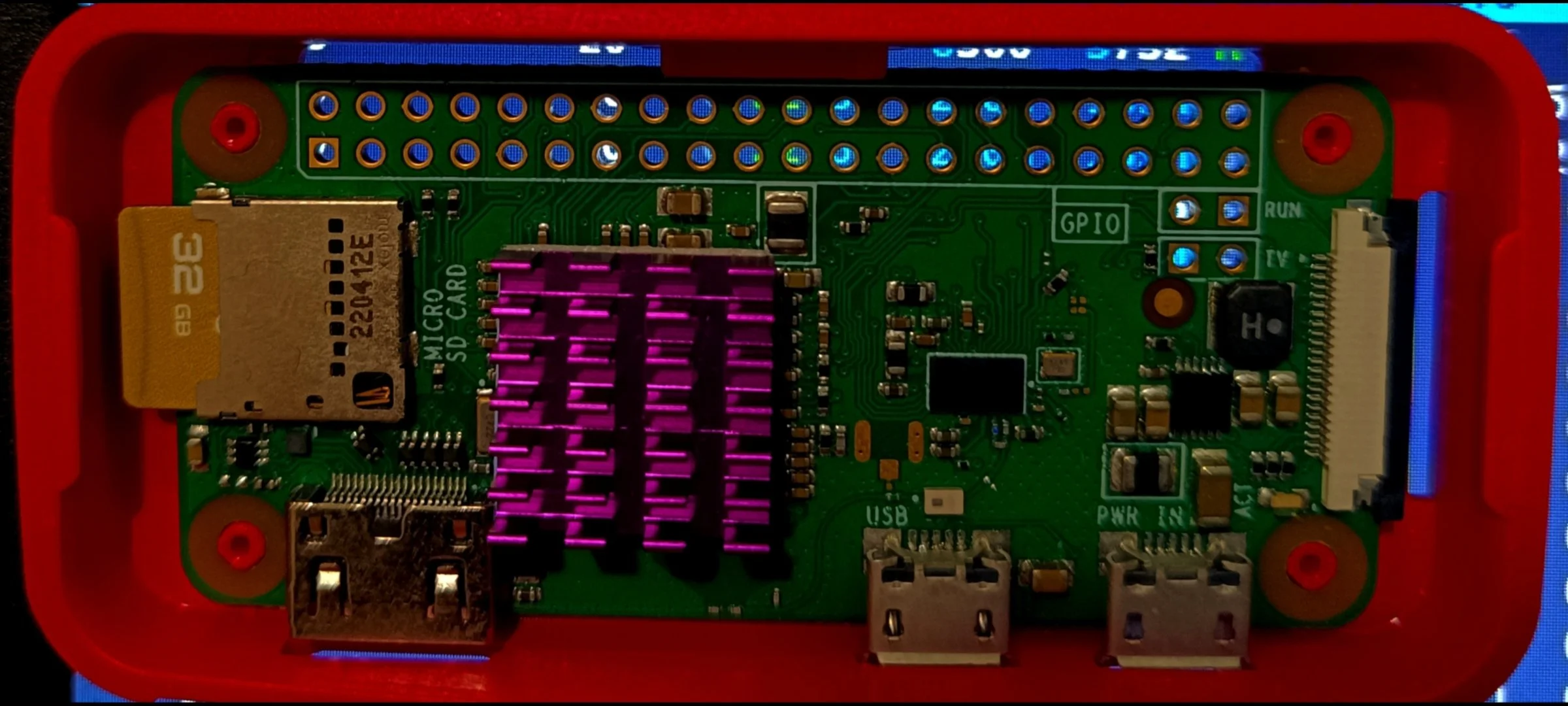
I built and configured a Pwnagotchi using a Raspberry Pi Zero W to explore how Wi-Fi networks can be discovered and how wireless authentication security works in an authorised environment.
What I did:
Installed and configured the Pwnagotchi environment on a Raspberry Pi Zero W.
Configured the wireless interface to explore Wi-Fi authentication, network discovery, and WPA/WPA2 security concepts.
Troubleshot Linux configuration, connectivity, hardware, and network-interface issues during deployment.
Why it matters:
Wi-Fi networks are a common entry point for attackers, so understanding how they can be discovered and targeted helps identify weak wireless security before it becomes a problem..
Testing wireless security can reveal poor configurations and outdated protections that might otherwise go unnoticed..
Better understanding of Wi-Fi authentication helps organisations protect devices, users, and information travelling across wireless networks.
PWNAGOTCHI

PROJECTS
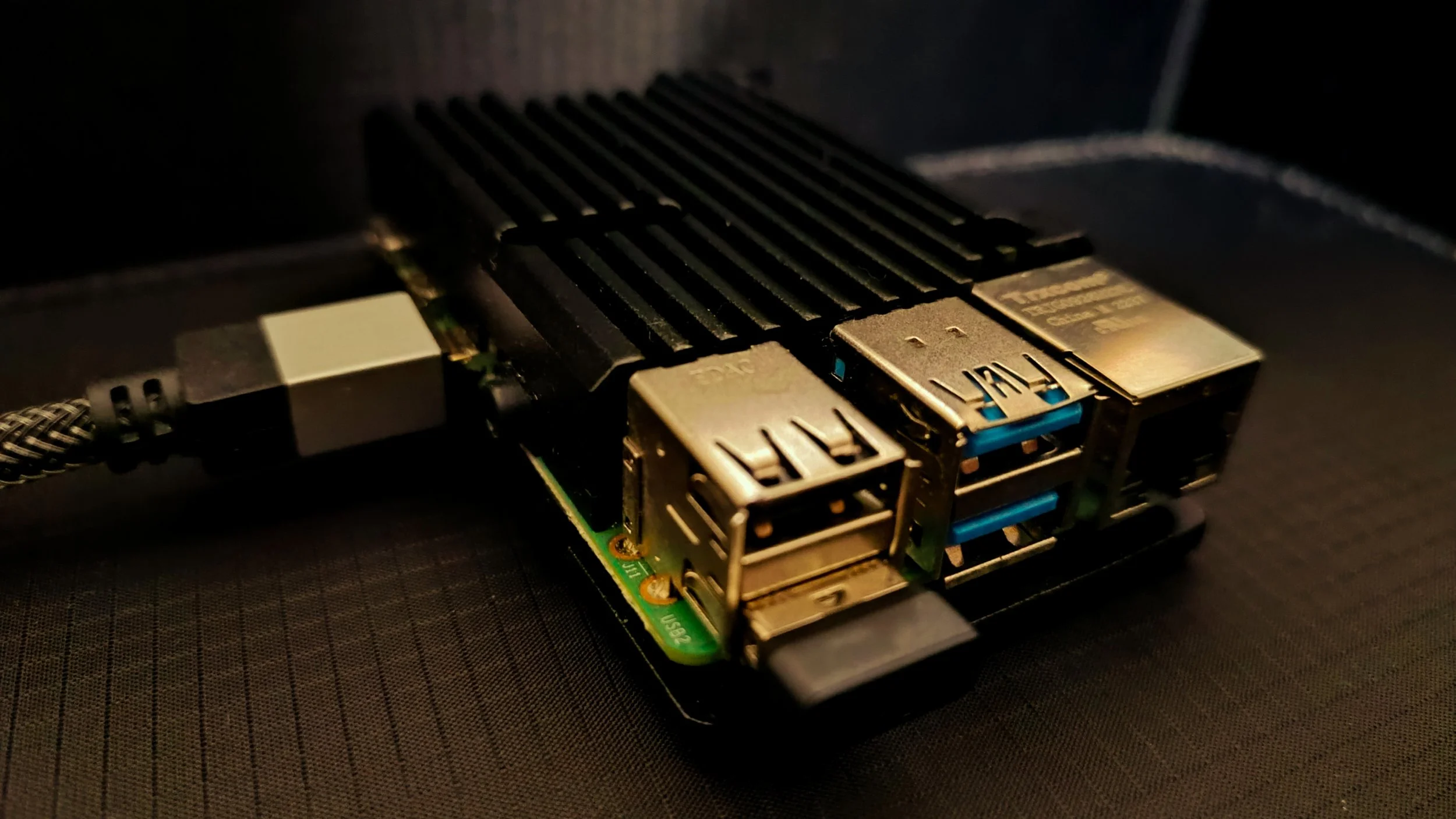
I built and configured a honeypot using a Raspberry Pi 4 to simulate a vulnerable network device and observe how potentially malicious traffic interacts with exposed services.
What I did:
Deployed and configured honeypot services on a Raspberry Pi 4 within an isolated environment.
Monitored and analysed connection attempts, source IPs, ports, and suspicious activity captured by the honeypot.
Applied network isolation and firewall controls so the honeypot could be monitored without putting other systems at risk.
Why it matters:
A honeypot acts as a decoy, attracting suspicious activity away from important systems while allowing that activity to be observed.
Monitoring these interactions can reveal how attackers scan networks, what they target, and which techniques they are using.
That information can help organisations recognise attacks earlier and strengthen real systems against similar threats.
Honey Pot Pi
PROJECTS
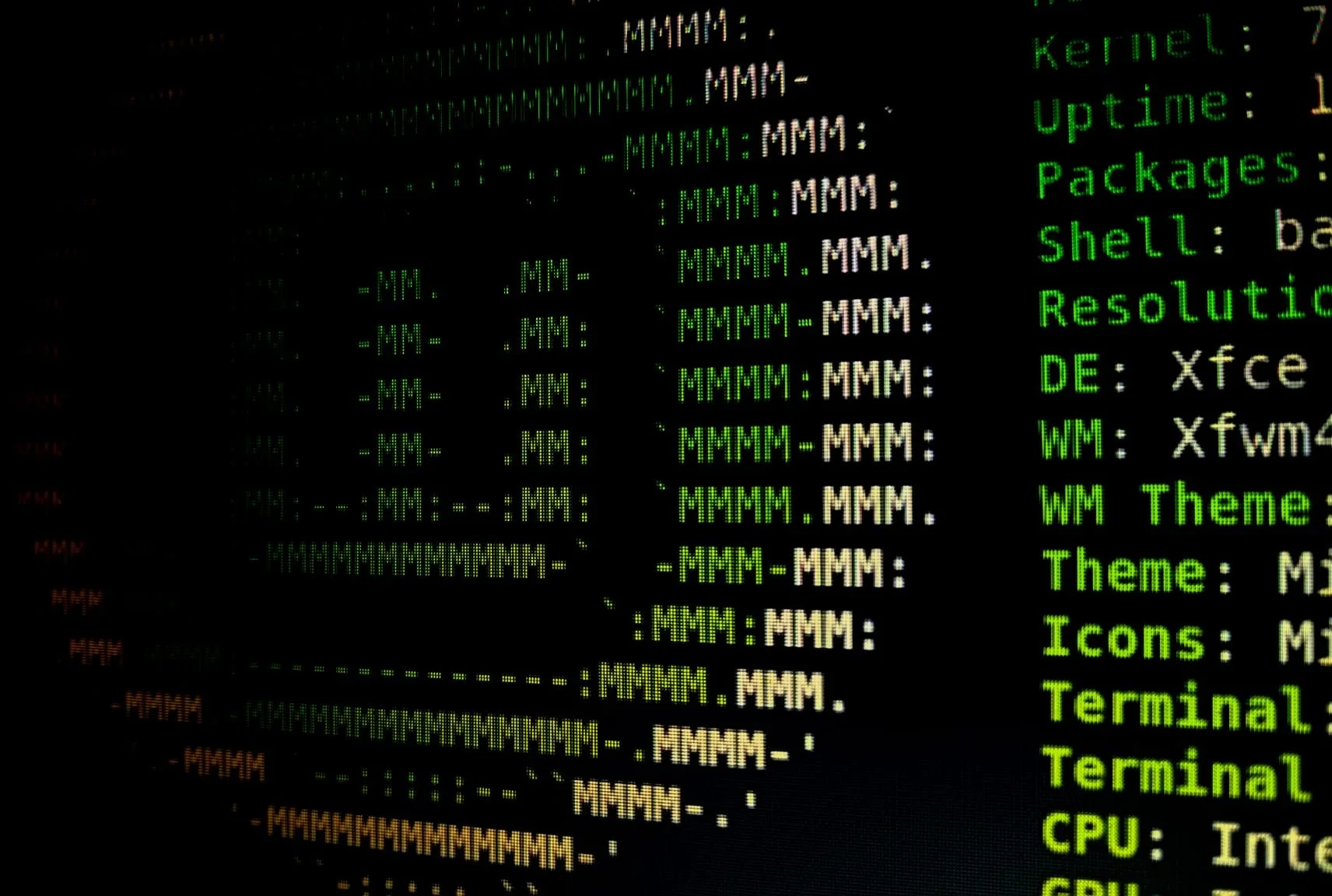
I restored an ageing laptop by replacing its resource-heavy operating system with Linux Mint XFCE, extending the useful life of the hardware while creating a secure and functional Linux workstation.
What I did:
Installed and configured Linux Mint XFCE, selecting a lightweight environment suited to older hardware.
Updated the system and configured drivers, software repositories, and essential applications.
Applied system updates, firewall configuration, and security hardening to create a secure Linux environment.
Why it matters:
Older computers don't necessarily need to be discarded when their original operating system becomes slow, unsupported, or unsuitable for the hardware.
A lightweight operating system can keep existing equipment useful, secure, and reliable for longer.
Reusing hardware can reduce costs and electronic waste while still providing a capable everyday computer.
Fresh with Mint XFCE
PROJECTS
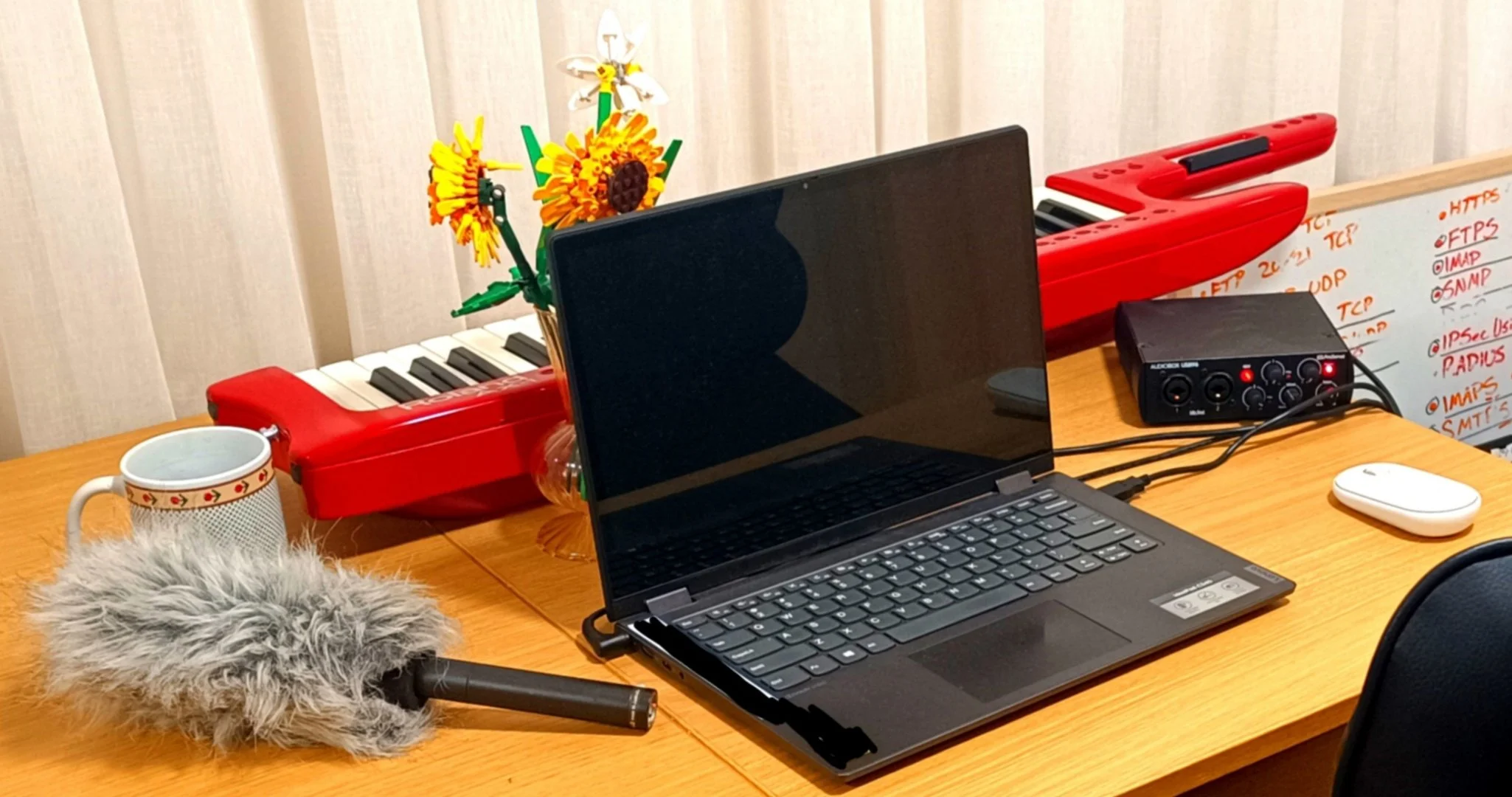
MIDI-to-VST pipeline with low-latency DSP: a custom home studio setup that converts MIDI input from a Roland AX-1 into real-time VST instrument output using a low-latency digital signal processing chain on Linux Mint XFCE. The system uses Ardour as the DAW and Ample Guitar VST to emulate acoustic guitar performance with responsive, hardware-driven MIDI control.
What I did
Configured Linux Mint XFCE for low-latency audio by tuning the kernel, real-time priority settings, and JACK/ALSA buffer parameters to minimize round-trip latency.
Integrated the Roland AX-1 (via a Presonus audio/MIDI interface) into Ardour using JACK MIDI routing and configured the Ample Guitar VST for expressive mapping of pitch bend, aftertouch, and velocity.
Implemented a DSP chain inside Ardour with low-latency plugins and optimized routing to ensure stable performance under live-play conditions.
Why it matters
Ensures near-zero latency performance so expressive hardware controllers like the AX-1 remain playable and natural in live or recording environments.
Provides a reliable, Linux-based VST workflow that reduces dependency on proprietary OS solutions while maintaining professional audio quality.
Demonstrates reproducible home-lab practices for low-latency audio engineering, useful for testing, development, and production of real-time MIDI-to-VST systems.
MIDI-to-VST pipeline with low-latency DSP

PROJECTS
I’m building CRTetris in my spare time — a CRT-style Tetris game written in C++ that uses warm color palettes and scanline effects to make coffee breaks more fun; development and testing occur in a virtual machine environment configured for cross-platform compatibility and safe iteration.
Language: C++ (modern standards, performance-focused)
Visual style: warm color palette, scanlines, bloom and phosphor decay emulation
Testing: dedicated VM test environment with snapshot/rollback for safe builds and regression checks
Tools: SDL2 for graphics/input, CMake build system, unit tests and CI-friendly scripts
Goal: lightweight, nostalgic gameplay optimized for short play sessions during breaks
PiP Boy Tetris